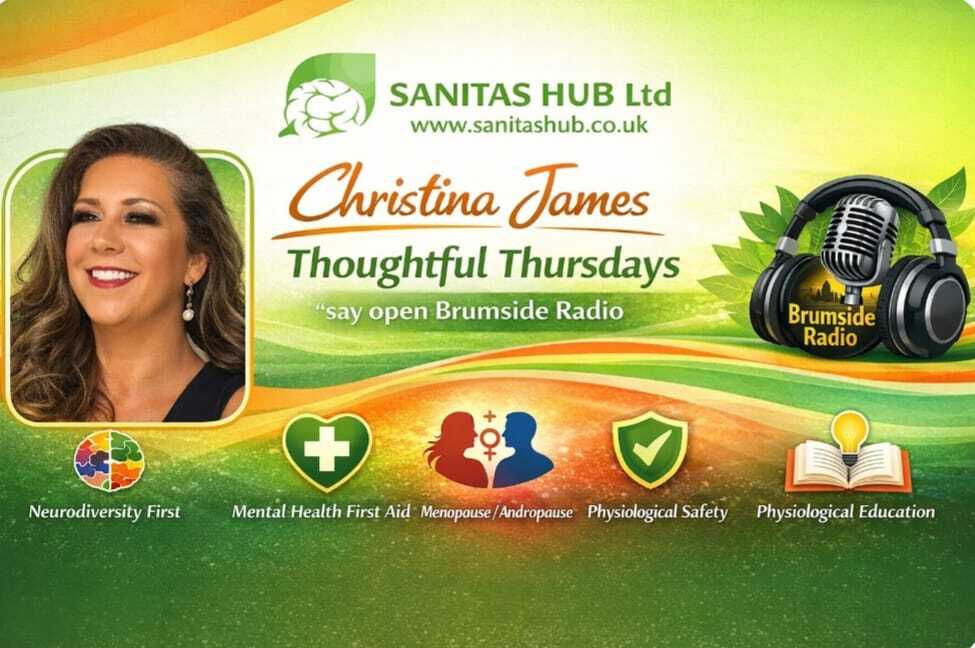

Firstly I want to share some exciting news, I have my own radio show!! My show ‘Thoughtful Thursdays’ in on 6pm – 8pm every Thursday on Brumside Radio. Please join me tonight. If you reply to this newsletter with Brumside, you will receive 20% off any of my training courses booked for January or February 2026. (New bookings only)
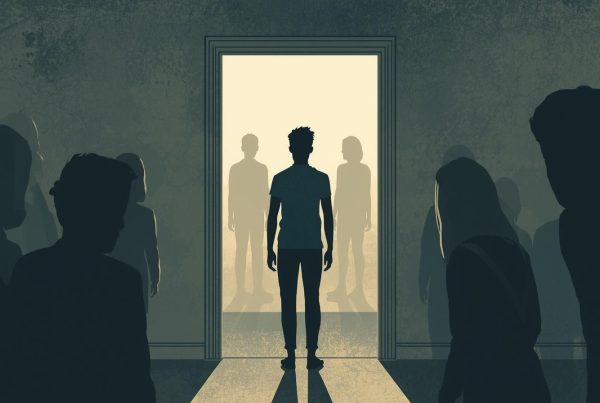
Today I want to share a concise, compassionate look at anxiety—its long history, how our understanding has evolved, and what the current facts in the UK tell us. My goal is to help you feel informed, less alone, and connected to practical steps you can take if anxiety affects your daily life.
The Story of Anxiety: A Journey Through Time
-
Humans have felt anxiety for thousands of years, but it hasn’t always been seen as a problem.
-
Long ago, anxiety was often linked to spirits, bad luck, or balance issues in the body.
-
In the Middle Ages, anxiety was commonly viewed as punishment or possession, and people sought help from priests rather than doctors.
-
By the 1600s, clinicians started recognizing that anxiety comes from both the body and the mind.
-
In the 1800s, the term “nervous exhaustion” emerged, with a belief that excessive stress contributed to symptoms. Freud and others suggested hidden worries in the mind fuel anxiety.
-
In the 1900s, anxiety began to be treated as a medical condition, with talking therapies and medicines becoming common approaches.
-
Today, we understand that anxiety is normal and, importantly, that it is not a fault or weakness. There are effective ways to feel better and to manage it.
A Contemporary View: UK Anxiety Facts
-
About 8 million people in the UK have an anxiety disorder.
-
Around 1 in 7 people has been diagnosed with anxiety at some point.
-
Almost 3 out of 4 adults feel anxious at least sometimes.
-
Anxiety is more common in women and younger adults.
-
It can affect daily life—work, study, and everyday tasks.
-
Anxiety is not a weakness — it’s a real health condition that can be treated.
What This Means for You
-
Anxiety is common and legitimate. If you’re feeling anxious, you’re not alone.
-
If anxiety starts affecting your sleep, concentration, performance, or relationships, reaching out for support is a strong, brave step.
-
There are proven, accessible options today—psychological therapies, lifestyle strategies, and, when appropriate, medications. A healthcare professional can tailor the approach to you.
Practical next steps you can consider (whether for yourself or someone you care about)
-
Start small: identify one trigger or situation that increases anxiety and notice what helps (breathing, grounding, a brief walk).
-
Build a toolkit: create a simple plan with 2–3 coping strategies you can use in moments of heightened anxiety (e.g., 4-7-8 breathing, grounding with 5-4-3-2-1 sensory exercise, a short mindfulness exercise).
-
Seek professional guidance: consult a GP or mental health professional if anxiety is persistent, worsening, or interfering with daily life.
-
Normalize seeking help: remind yourself and others that anxiety is a health condition—and treatment works for many people.
-
Consider practical supports: sleep hygiene, regular physical activity, balanced meals, and reducing caffeine or alcohol can support anxiety management.
-
Stay connected: share how you’re feeling with trusted friends or family, or join a supportive community or group that understands anxiety.
Thank you for reading. Remember: anxiety is common, treatable, and nothing to be ashamed of. You deserve care, understanding, and tools that help you feel more at ease day by day.
With warmth and support, Christina Sanitas Hub
Booking a Mental Health Wellbeing Course with Sanitas Hub
Mental Health Consultancy in the Workplace
For further inquiries, company group training or mental health consultancy please do not hesitate to get in touch at info@sanitashub.co.uk