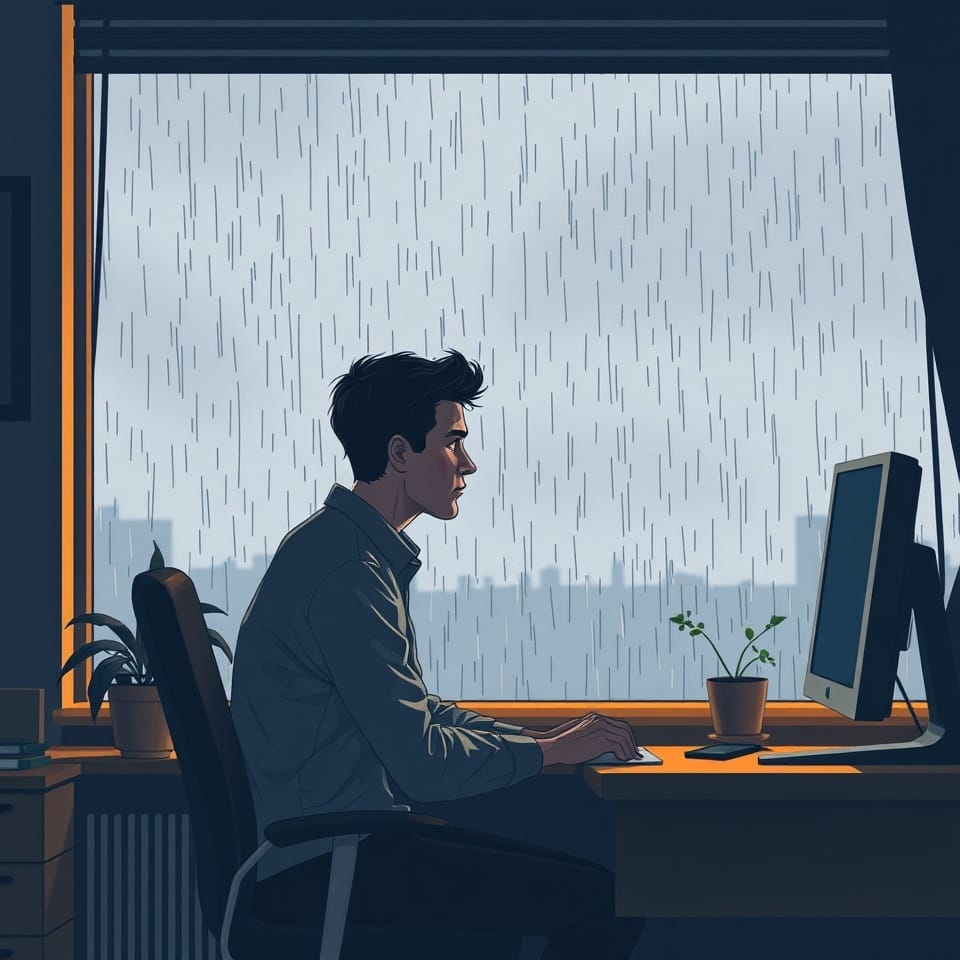

So the days are still dark, it is still raining and you are beginning to wonder if you will ever see the sun shine… Welcome to February.
If you’ve ever heard of “Blue Monday,” you’re not alone. The term gets tossed around a lot in January or February, and it’s often described as the most depressing day of the year. But what is Blue Monday really, why does it matter for mental health, and what can you actually do about it? Let’s break it down in a friendly, practical way.

What is Blue Monday (and what it isn’t)
-
What people often mean: A catchy label for a day (typically late January or mid-February) when weather, debt, post-holiday fatigue, and unmet New Year goals converge to create a sense of gloom.
-
The reality: Blue Monday isn’t a scientifically proven event. It’s a concept that blends seasonal mood factors (shorter days, colder weather), financial stress after the holidays, and social expectations. That said, many people do feel low during February or late winter, and that’s perfectly valid.
How February blues can show up in mental health
-
Mood dips: Feeling down, irritable, or less motivated.
-
Energy changes: Sleep patterns may shift; you might feel more fatigued.
-
Social pull: You may withdraw from activities or feel less connected.
-
Productive struggle: Small tasks feel overwhelming; motivation to exercise or eat well drops.
-
Anxiety or stress: Financial concerns from holiday spending or looming winter bills can creep in.
But a few hopeful notes:
-
It’s common, not a personal failure. Mental health ebbs and flows.
-
Small, consistent steps can move the needle more than grand, sporadic efforts.
-
If you notice persistent low mood, hopelessness, or thoughts of self-harm, reach out to a professional or a trusted person right away.
Quick wins to get you back on track (practical, do-anywhere ideas)
Light a path with light
-
Get natural light when you can (short walks at lunch, open curtains).
-
Consider a light therapy lamp if you notice persistent low mood during winter (check with a clinician if you’re unsure it’s right for you).
Move for a mood boost
-
Short bursts: 5–10 minutes of movement a day (walk, stretch, a quick home workout).
-
Make it social: a brisk walk with a friend or a quick class.
Nurture sleep
-
Keep a consistent wake and bedtime, even on weekends.
-
Create a calming pre-sleep routine: dim lights, screen-free time, gentle stretches.
-
Limit caffeine late in the day and avoid heavy meals right before bed.
Front-load healthy fuel
-
Plan simple, balanced meals and snacks that include protein, fiber, and healthy fats.
-
Hydration matters: aim for regular water intake throughout the day.
Micro-goals, big wins
-
Break tasks into tiny steps (e.g., “start 1 email,” not “catch up completely”).
-
Celebrate small completions to build momentum.
Social connection is power
-
Reach out to a friend, family member, or coworker for a quick chat or coffee.
-
Join a small group activity or a virtual meetup to stay connected.
Digital wellness tune-up
-
Set boundaries around screens—especially late at night.
-
Curate your feeds: unfollow or mute accounts that trigger negative comparisons.
Grounding and self-check-ins
-
Try a 1-minute grounding exercise: name 5 things you can see, 4 you can feel, 3 you can hear.
-
Keep a simple mood log: rate how you feel on a 1–10 scale each day and note triggers or routines that helped.
If you’re a workplace reader or team:
-
Propose a “Wellness Wednesday” kickoff: 15 minutes of stretching, a quick mindfulness exercise, and a shared resource link.
-
Encourage flexible schedules during tougher weeks and acknowledge small achievements.
When to seek extra support
-
Two or more weeks of low mood that interfere with daily life; interest and pleasure in activities decline; changes in sleep, appetite, or energy.
-
Persistent anxiety, intrusive thoughts, or if you’re worried about your safety or someone else’s.
Helpful resources (private, free, or low-cost options)
-
Local mental health helplines or crisis lines (availability varies by country).
-
Counselor or therapist directories; many offer sliding scale or teletherapy.
-
Employee assistance programs if you’re reading this from a workplace.
A quick personal reflection mini-checklist (5 questions)
-
Am I experiencing persistent low mood or fatigue for more than a couple of weeks?
-
What’s one small thing I can do today to feel a bit better?
-
Who can I reach out to for support this week?
-
Is there a sleep or light routine I can tweak tonight?
-
What’s one micro-goal I can complete before tomorrow?
Closing thought
February can feel like a long, gray month, but small, steady steps can create real momentum. Treat yourself with kindness, start with one tiny win today, and remember you’re not alone—many people share this experience, and help is available if you need it.
If you want to book a wellness check-in, email us at info@sanitashub.co.uk
Booking a Mental Health Wellbeing Course with Sanitas Hub
Mental Health Consultancy in the Workplace
For further inquiries, company group training or mental health consultancy please do not hesitate to get in touch at info@sanitashub.co.uk